
Discovering what your pet wishes you knew about vet hospital visits can greatly improve their well-being veterinary hospital. From understanding their fear to recognizing signs they need care, this article delves into essential insights for pet owners.
Learn how to make vet visits less stressful and build trust with your furry companion’s healthcare provider. Stay informed to ensure your pet’s health and happiness are a top priority during veterinary encounters.
Understanding Your Pet’s Fear
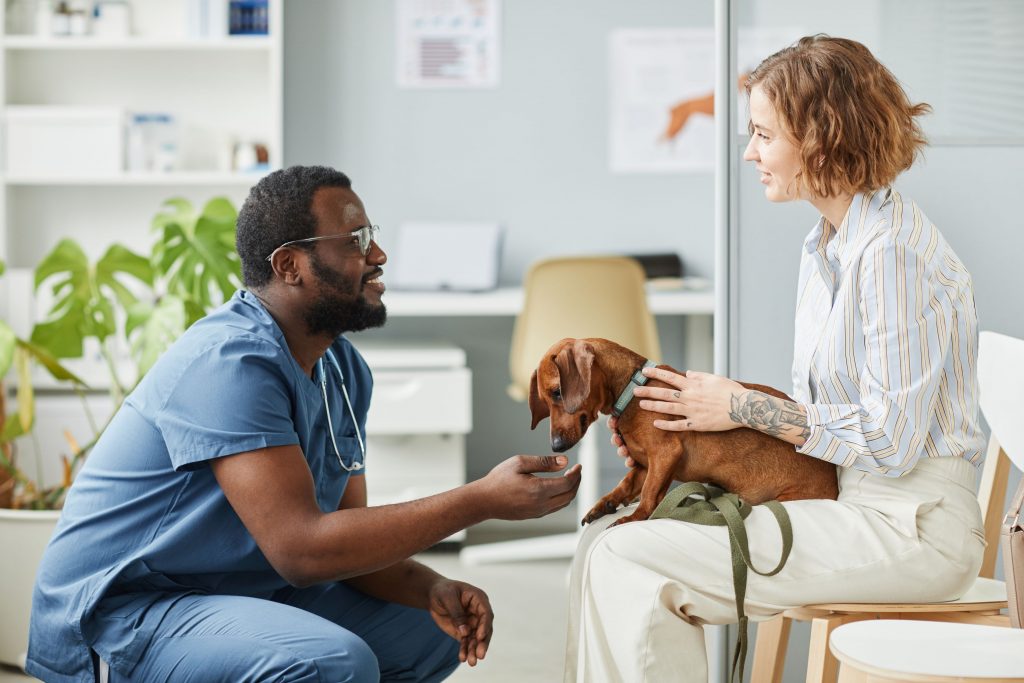
During vet hospital visits, pets often experience fear due to unfamiliar surroundings and procedures. This fear can manifest in various ways, such as trembling, panting, whining pet medical centre, or even aggression. Understanding your pet’s fear is crucial in helping them feel more comfortable and secure during these visits.
Recognizing signs of distress, offering reassurance through gentle words and touches, and bringing familiar items like a favorite toy or blanket can all help alleviate their anxiety. It’s essential to approach vet visits with empathy and patience, allowing your pet the space and time they need to adjust to the new environment.
Importance of Regular Check-ups
Recognizing the importance of regular check-ups for your pet is fundamental in maintaining their overall health and well-being. Just like humans, pets require routine visits to the vet to ensure they are in good health. These check-ups help detect any underlying health issues early, allowing for prompt treatment and potentially saving your pet from suffering.
Moreover, regular check-ups can help prevent certain diseases or conditions, ultimately extending your furry friend’s lifespan. By staying proactive with veterinary visits, you are showing your pet that their well-being is a top priority.
Signs Your Pet Needs Vet Care
Regular vet check-ups are essential for detecting any signs that your pet needs veterinary care. However, there are specific signs that may indicate an immediate need for vet attention.
If your pet experiences sudden changes in appetite or water intake, unexplained weight loss or gain, lethargy, persistent vomiting or diarrhea, difficulty breathing, limping, or any unusual behavior, it’s crucial to seek veterinary care promptly.
Additionally, visible signs such as lumps, wounds that are not healing, swollen areas, or abnormalities in the eyes, ears, or skin should not be ignored. Being attentive to these signs and seeking prompt veterinary care when needed can help ensure the well-being and health of your beloved pet.
Making the Visit Less Stressful
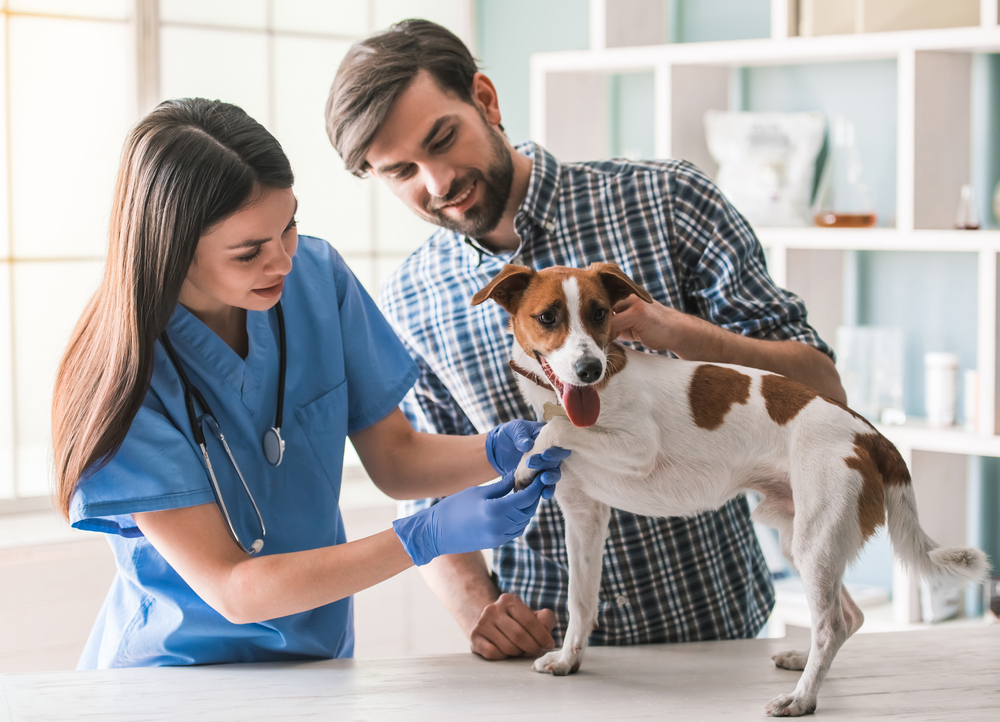
One key aspect to consider in making vet hospital visits less stressful for your pet is creating a calm and familiar environment. Start by introducing your pet to the carrier or car in advance, allowing them to become accustomed to it.
Use pheromone sprays or calming aids recommended by your vet to ease anxiety. During the visit, maintain a composed demeanor to reassure your pet. Bring along their favorite toy or blanket for comfort.
After the appointment, engage in a relaxing activity together to help them unwind. By incorporating these strategies, you can help reduce your pet’s stress levels and make vet hospital visits a more positive experience for them.
Building Trust With the Vet
The trust between your pet and the vet is crucial in ensuring a positive and effective veterinary hospital visit experience. Building trust with the vet starts with regular visits even when your pet is not ill. This helps familiarize your pet with the vet’s clinic and reduces anxiety.
During appointments, allow your pet to interact with the vet in a calm and reassuring manner. Consistency in the vet-pet interaction helps establish trust over time. Always advocate for your pet’s comfort and well-being, ensuring the vet respects your pet’s boundaries.
Observing how the vet handles your pet with care and attentiveness can strengthen the bond of trust. By prioritizing trust-building, you pave the way for a smoother and more beneficial veterinary experience for your beloved companion.
Conclusion
In conclusion, it is important to understand your pet’s fear and the importance of regular check-ups at the vet hospital. Recognizing signs that your pet needs medical care and making the visit less stressful can help build trust with the vet.
By being proactive and attentive to your pet’s needs, you can ensure they receive the necessary care and support to maintain their health and well-being.